The Timeless Appeal of Marble Slabs in Design and Construction
Jul 16, 2024
Marble slabs have been a cornerstone of design and construction for centuries, valued for their natural beauty, durability, and versatility. This enduring material, formed over millions of years from compressed limestone, is prized for its unique veining patterns and wide range of colors. From ancient temples and sculptures to modern-day interiors, marble slabs continue to play a significant role in architectural and design projects worldwide.
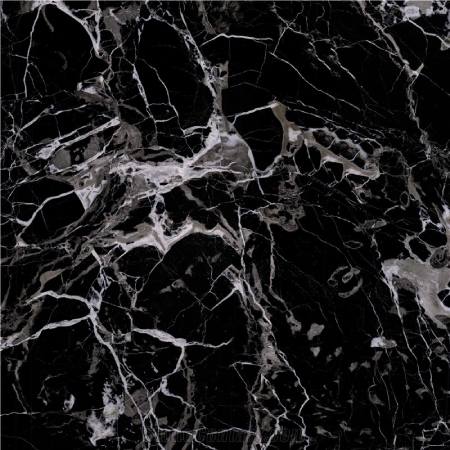
The formation process of marble is a testament to the wonders of natural geology. Limestone, subjected to extreme heat and pressure over millennia, metamorphoses into marble, resulting in a stone that is not only hard and durable but also capable of taking a high polish. This ability to achieve a glossy finish enhances the natural veining and color variations in the stone, making each marble slab a unique work of art. The aesthetic appeal of marble slabs lies in their individuality; no two slabs are identical, allowing for customized and personalized installations.
Marble slabs are highly versatile, and used in a variety of applications both indoors and outdoors. In residential settings, they are commonly found in kitchens and bathrooms as countertops, backsplashes, and flooring. Their elegance and resistance to heat make them an excellent choice for these high-traffic areas. In commercial spaces, marble slabs are often employed in lobbies, reception areas, and conference rooms, where their sophisticated appearance makes a lasting impression on clients and visitors.
One of the key advantages of marble slabs is their durability. Properly maintained marble surfaces can last for decades, even centuries, making them a wise investment for both residential and commercial properties. Regular sealing and appropriate cleaning techniques are essential to preserve the stone's appearance and prevent staining and etching. Despite their strength, marble slabs are relatively easy to work with, allowing craftsmen to create intricate designs and detailed carvings.
The extraction and processing of marble slabs have seen significant advancements over the years. Modern quarrying techniques ensure that the stone is extracted efficiently and with minimal environmental impact. Once quarried, the marble blocks are cut into slabs and polished to enhance their natural beauty. These slabs can then be customized to fit specific design requirements, whether it's a large expanse of flooring or a detailed kitchen countertop.
Sustainability is becoming increasingly important in the stone industry, with a growing focus on eco-friendly quarrying practices and the reduction of waste. Marble's natural longevity contributes to sustainable building practices by reducing the need for frequent replacements and minimizing the environmental footprint of construction projects.
Marble slabs remain a timeless and versatile material in the world of design and construction. Their natural beauty, durability, and unique characteristics make them a favored choice for architects, designers, and homeowners alike. As the industry continues to innovate and embrace sustainable practices, the use of marble slabs is set to endure, ensuring that this classic material will continue to enhance and inspire built environments for generations to come.