Sintered Stone Slab Thickness: 6mm, 9mm and 12mm
Nov 12, 2026
Choosing sintered stone slab thickness depends on the finished application, not thickness alone. Thin slabs can suit properly designed wall panels and furniture surfaces, while kitchen countertops require careful consideration of support, edges, cut-outs and handling.
SRS offers several sintered stone slab sizes and thicknesses across its product range, including 6mm, 9mm and 12mm options. Available combinations depend on the selected color and product series.
Common Sintered Stone Slab Thicknesses
Sintered stone is made by consolidating mineral-based materials under pressure and high temperature. The finished surface is dense and available in a range of formats for architectural and interior applications.
Slab thickness affects component weight, edge appearance, fabrication, support requirements and transport. It must be considered together with the panel dimensions and installation system.
- 6mm: Often considered for lightweight panel and cladding designs.
- 9mm: Used in selected slab, panel and furniture applications.
- 12mm: Commonly considered for countertops and other fabricated components.
- Other thicknesses: Available in certain SRS product ranges, depending on design and format.
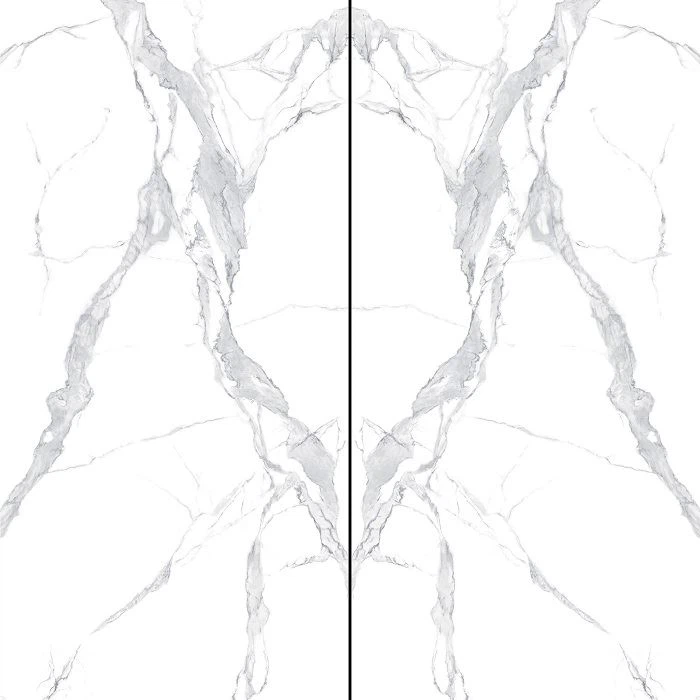
6mm vs 9mm vs 12mm Sintered Stone
The most suitable thickness depends on how each component will be installed and used. The same material may have different support and fabrication requirements when used on a wall, tabletop or kitchen counter.
| Thickness | Common Project Direction | Main Considerations |
|---|---|---|
| 6mm | Interior wall cladding, decorative panels and selected supported surfaces. | Substrate flatness, fixing method, edge protection, handling and panel size. |
| 9mm | Selected wall panels, cabinet surfaces and fabricated furniture components. | Product approval, support spacing, cut-outs and exposed edges. |
| 12mm | Kitchen countertops, vanities, tabletops and other designed work surfaces. | Cabinet support, span, impact exposure, edge details and machining. |
Choosing Sintered Stone for Kitchen Countertops
A kitchen countertop must accommodate daily use, appliance openings, exposed edges and the loads transferred to the supporting cabinets.
SRS lists sintered stone countertop products in several thicknesses and sizes. A 12mm slab can be considered for a suitably designed countertop, but the final specification depends on the specific product, dimensions and support system.
Key Countertop Details
- Finished countertop length and depth
- Cabinet and substrate support
- Sink and cooktop opening locations
- Inside corner geometry
- Overhang and unsupported spans
- Exposed edge finish and thickness
- Seam positions and installation access

Explore our Sintered Stone Countertop and Kitchen Sintered Stone Countertop product ranges.
Thin Sintered Stone for Wall Cladding
Thin sintered stone panels can provide a large decorative surface without the thickness of a conventional stone slab. This makes them useful for selected wall and furniture applications.
The supporting wall must be suitable for the chosen panel and installation method. Large panels also require planning for movement, handling and joints.
Wall Panel Requirements
- Approved substrate and installation system
- Panel size and orientation
- Required adhesive or mechanical fixing
- Joints, movement allowance and corners
- Openings and edge protection
- On-site lifting and installation access
Sintered Stone Slab Size and Thickness Combinations
Large-format slabs help reduce the number of joints across walls, countertops and furniture surfaces. However, increasing the panel size also affects fabrication, packing, transport and installation.
| Listed Slab Format | Thickness Example | Typical Project Review |
|---|---|---|
| 2400 × 1200mm | 9mm | Panels and fabricated components within the usable slab dimensions. |
| 2600 × 1200mm | 6mm | Wall layouts, panel handling and cutting efficiency. |
| 3200 × 1600mm | 6mm or 12mm | Large components, seam planning, crate size and lifting requirements. |
These formats are listed across SRS sintered stone products. Dimensions and thickness availability must be confirmed for each color, finish and product code.


See the full Sintered Stone Slab collection for slab products and available designs.
How Thickness Affects Edges and Cut-Outs
Exposed Slab Thickness
A slim edge creates a different appearance from a thick countertop profile. Confirm whether the selected design uses an exposed edge, a mitered return or another fabricated detail.
Sink and Cooktop Cut-Outs
Opening dimensions, corner geometry, edge distance and support should follow the approved appliance drawings and material fabrication requirements.
Handling and Installation
Long narrow sections, large openings and unsupported areas can increase the risk of handling damage. The cutting layout and lifting plan must be coordinated.
Thin components with complex cut-outs need particular attention during machining, transport and installation. The fabricator should confirm suitable tooling, water-fed processing and safe handling methods.
Thickness and Weight: What Changes?
For slabs of the same material and area, weight increases approximately in proportion to thickness. A 12mm slab is about twice the material volume of a 6mm slab of the same length and width.
Actual weight depends on the product density, dimensions and any additional construction materials. Finished countertop assemblies may also contain supporting substrates, adhesives or built-up edges.
6mm Slabs
Lower slab weight at the same area can be beneficial for some panel applications, but thin panels still require appropriate backing and handling.
9mm Slabs
A thickness option between 6mm and 12mm for selected product lines. Support and intended application remain decisive.
12mm Slabs
Greater material volume affects shipping and lifting. Confirm structural support and finished component weight before ordering.
Four Steps to Confirm the Right Slab
Define the Application
Record the finished use, dimensions, environment and support conditions.
Select the Product
Confirm color, finish, slab format and available thickness.
Approve Fabrication
Check cutting drawings, edges, openings, joints and tolerances.
Confirm Delivery
Review packing, component labels, unloading and installation access.
Ordering Sintered Stone Slabs from SRS
For slab supply, confirm the material code, size, thickness, finish and quantity. For fabricated products, provide the component drawings and all processing requirements.
- Material color and product code
- Required nominal thickness
- Slab dimensions and quantity
- Surface finish
- Wall panel, tabletop or countertop application
- Finished component drawings
- Cut-outs, edges and joint locations
- Backing and structural support requirements
- Packing method and destination
- Required inspection and technical documentation
Larger slabs can reduce joints but may require more complex packing and handling. The approved cutting plan should account for usable slab size, waste and the transport route.
Frequently Asked Questions
There is no single thickness for every sintered stone product. SRS lists options including 6mm, 9mm and 12mm, with other thicknesses available in selected ranges. Confirm the actual product specification before ordering.
A 6mm slab may be used in selected supported surface systems, but it should not be assumed suitable for every countertop. Confirm the product approval, backing, support, edge treatment and cut-outs with the fabricator and installation designer.
A 12mm slab is used for selected countertop applications. Suitability depends on the specific product, cabinet support, unsupported spans, openings and installation details. Thickness alone does not confirm the structural design.
Thin slabs such as 6mm and 9mm may be considered for appropriately designed wall systems. The final choice depends on panel size, substrate, fixing method, exposure and the approved installation details.
Not necessarily. Slab performance depends on the material, dimensions, support, fabrication and installation. A thicker slab also adds weight, which must be considered during transport and handling.
SRS lists large-format sintered stone slabs, including 3200 × 1600mm options in selected product lines. Available thickness, color and finish combinations should be confirmed when requesting a quotation.
Explore SRS Sintered Stone Products
Request Sintered Stone Slab Specifications
Contact us with your preferred color, slab size, thickness, finish, quantity and destination. For countertops or wall panels, include your drawings and application requirements so we can review suitable product options.
Request a Sintered Stone Quote