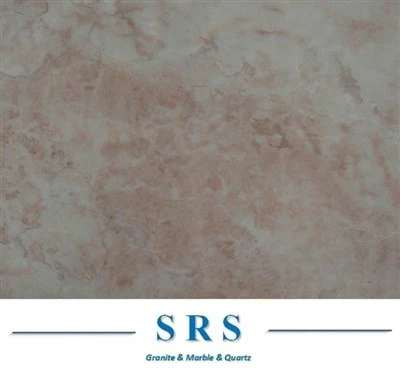

Granite Slab Color Matching for Countertop Projects
Nov 11, 2026
Granite slab color matching starts with the actual stone lot, not the product name alone. Natural granite can vary in background shade, mineral distribution, grain and movement. For countertops with several visible pieces, buyers should compare available slabs, select compatible pieces and approve seam locations before fabrication.
Full-slab photographs and approved cutting drawings help connect material selection with the finished appearance of kitchen countertops, islands and commercial stone projects.
Why Granite Slabs Can Look Different
Granite is a natural stone. Its mineral distribution and visual structure can change across a block, quarry area or production lot. Even slabs sold under the same commercial name may show different shades, grain sizes and patterns.
Light-colored granite may contain cream, beige, gray, gold and darker mineral markings. Their distribution affects how neighboring countertop sections appear when installed together.
- Background shade: Differences between warm and cool tones.
- Grain distribution: Changes in mineral size and concentration.
- Natural movement: Bands, veins and irregular patches.
- Surface finish: Differences in reflection and visual contrast.

Compare Granite Slabs Before Selecting a Batch
The first decision is whether the available stone lot has an acceptable overall appearance. Compare complete slab faces under similar lighting before assigning individual slabs to adjoining countertop sections.


For a long kitchen worktop, compatible background tones are especially important. Darker mineral concentrations and prominent veins can also affect the visual appearance of joints.
When a project requires several adjoining slabs, individual slab numbers and their planned positions should be confirmed before cutting.
What to Check in Full-Slab Photographs
Full-slab photographs are useful when they identify the material, individual slab number and viewing orientation. For large orders, photographs of several slabs together can help compare the overall consistency of the available lot.
| Photo or Record | What to Check | Purpose |
|---|---|---|
| Full-Slab View | Background shade, grain, movement and natural markings. | Assess overall appearance before cutting. |
| Numbered Slab Photos | Slab identification, orientation and visible differences. | Connect approved material with the order. |
| Group View | Color balance across multiple slabs. | Identify compatible pieces for adjoining surfaces. |
| Close-Up Images | Mineral details, finish and visible markings. | Review details not clearly shown in distant images. |
| Finish Samples | Surface reflection and perceived color. | Confirm the required finished appearance. |
Camera exposure, lighting and reflections can affect the apparent color of natural stone. Comparable lighting and physical samples can help resolve uncertain shade differences.
Granite Countertop Seam Planning
A seam joins two finished stone pieces. Its position influences countertop appearance and must also meet fabrication, support and installation requirements.
Important Seam Checks
- Background color on both sides of the joint
- Grain direction and prominent markings
- Stone orientation in the cutting layout
- Seam position relative to sinks and cooktops
- Cabinet support and installation conditions
- Required joint width and finishing method
Long countertops may need more than one slab. The cutting layout should identify how neighboring components will meet and where visible pattern changes may occur.
Matching Granite for Different Applications
| Application | Matching Priority | Approval Requirement |
|---|---|---|
| Kitchen Countertops | Compatible background color and grain across connected worktops. | Numbered layout, seams, edges and openings. |
| Kitchen Islands | Balanced natural markings across the visible surface. | Slab orientation and end-panel relationship. |
| Bathroom Vanities | Similar appearance among tops in the same room. | Piece identification and basin cut-outs. |
| Reception Counters | Consistent color across long visible runs. | Seam positions and installation sequence. |
| Wall Cladding | Balanced pattern movement across adjoining panels. | Panel orientation and elevation layout. |
From Slab Selection to Fabrication
Choose the Material
Select the granite type, finish and acceptable natural color range.
Review Available Slabs
Compare full-face photographs and identify compatible numbered slabs.
Approve the Layout
Assign slab numbers to components, orientations and seams.
Confirm Fabrication
Use the approved drawings and material allocation for production.
If a selected slab changes or a cutting layout is revised, the affected components should be reviewed before fabrication.
Colonial Gold Granite for Kitchen Countertops

Colonial Gold Granite features a cream-to-beige background with gray, gold and darker mineral markings. The balance of these features affects how neighboring countertop sections appear together.
For long kitchen runs or islands, compare the selected slabs before approving the cutting layout. Pay particular attention to the material appearance where two sections will meet.
The SRS Colonial Gold Granite Slab product range lists polished and honed finishes and nominal thicknesses of 18 mm, 20 mm and 30 mm. Available dimensions, finishes and quantities should be confirmed for the selected order.
Samples, Slab Selection and Layout Approval
Physical Sample
A small sample can show the stone's general color, mineral texture and surface finish. It may not represent every variation within a full slab.
Full-Slab Photograph
A complete view helps reveal the distribution of veins, patches and mineral markings across the selected stone.
Numbered Cutting Layout
A cutting layout identifies finished components, selected slab numbers, pattern direction and seam positions.
For closely matched countertop sections, the approved material selection should remain consistent from quotation through cutting and shipment.
Granite Slab Order Checklist
- Granite name or approved material reference
- Selected color range and surface finish
- Full slabs or fabricated countertop components
- Required thickness and dimensions
- Quantity and selected slab numbers
- Color matching requirements for adjoining pieces
- Cutting drawings and component dimensions
- Seam positions and edge profiles
- Sink, cooktop and other openings
- Grain or pattern orientation
- Packing requirements and destination
For export orders, surface condition, usable dimensions, packing protection and shipment handling also affect successful delivery.
Frequently Asked Questions
Slabs from different batches may have compatible appearances, but identical color and pattern cannot be assumed. The actual slabs should be compared before combining different lots in one project.
Compare both sides of the proposed joint for background shade, grain direction and prominent markings. Confirm the seam location using the cutting layout and review support requirements separately.
A sample can confirm the general stone appearance and finish, but it cannot show every natural variation within a slab. Full-slab photographs are important when matching adjoining surfaces.
Yes. Surface finishing influences light reflection and perceived color contrast. Polished granite generally has stronger reflections than honed granite.
Island dimensions, available slab sizes, background color, pattern direction, exposed edges, waterfall panels and seams all influence the finished appearance.
Include the granite type, finish, thickness, dimensions, quantity, appearance requirements and destination. For fabricated countertops, provide drawings, seams, edge details and openings.
Related Granite Products
Request Granite Slabs for Your Project
Send us your preferred granite color, finish, thickness, dimensions, quantity and destination. For projects requiring matched slabs or fabricated countertops, include drawings, seam positions and appearance requirements.
Request Granite Slab Information