
The Timeless Appeal of Marble in Architectural Design
Aug 15, 2024
Marble has long been revered in the world of architecture, celebrated for its unique color variations, intricate veining, and remarkable durability. Its application in architectural design is as old as civilization itself, dating back to ancient Greece and Rome, where it was used to create some of the most iconic structures in history. Today, marble continues to be a favored material in modern architecture, finding its place in everything from grandiose building facades to sophisticated interior spaces.
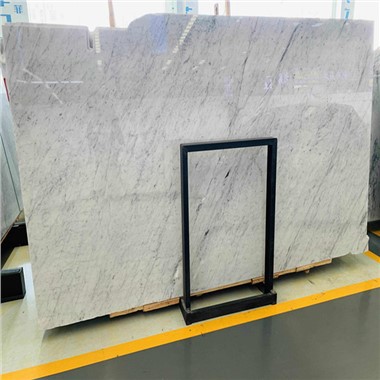
The natural beauty of marble lies in its diverse range of colors and patterns, each slab telling a story of the earth's geological history. This variety allows architects and designers to choose from a palette that suits their vision, whether it's the classic elegance of white Carrara marble, the dramatic intensity of black Nero Marquina, or the serene tones of green Verde Alpi. The ability to select marble that aligns with the aesthetic goals of a project is a key reason for its enduring popularity.
In interior design, marble is often used to create statement pieces that anchor a space, such as kitchen countertops, bathroom vanities, or feature walls. Its smooth surface and reflective qualities add a sense of luxury and sophistication, making even the most minimalist designs feel opulent. Marble flooring, with its cool touch and rich appearance, is another popular application, offering both beauty and functionality in high-traffic areas like hotel lobbies, shopping malls, and residential entryways.
Beyond its visual appeal, marble's physical properties make it a practical choice for architectural applications. Its high compressive strength allows it to bear significant weight, making it suitable for structural uses such as columns and load-bearing walls. Additionally, marble's natural resistance to heat makes it an ideal material for fireplace surrounds and kitchen surfaces, where it can withstand high temperatures without compromising its integrity.

In exterior design, marble is often used for building facades, cladding, and even large-scale sculptures. Its durability and resistance to weathering ensure that it can stand the test of time, even in harsh environmental conditions. The use of marble in public monuments and historical buildings is a testament to its longevity, with many ancient structures still standing today as a result of the material's resilience.
The resurgence of marble in contemporary architecture also reflects a broader trend towards natural and sustainable building materials. As architects and designers seek to create spaces that are not only beautiful but also environmentally responsible, marble offers a compelling option. It is a natural stone that, when sourced responsibly, has a lower environmental impact compared to synthetic alternatives. Additionally, marble can be recycled and repurposed, further enhancing its sustainability credentials.
In conclusion, the application of marble in architectural design is a tradition that has evolved over millennia, adapting to the needs and tastes of each era while maintaining its timeless appeal. Its combination of aesthetic versatility, physical strength, and environmental sustainability ensures that marble will continue to be a cornerstone of architectural excellence for generations to come.