
Marble's Role in Modern Architecture
Aug 08, 2024
Marble has long been synonymous with luxury and grandeur, and its role in modern architecture continues to evolve. The versatility, aesthetic appeal, and durability of marble make it an ideal material for a wide range of architectural applications, from facades and flooring to countertops and decorative elements.
In contemporary architecture, marble is often used to create striking visual contrasts and to add a touch of elegance to minimalist designs. Its ability to be polished to a high shine or honed to a matte finish allows architects to achieve a variety of textures and effects. Additionally, the natural veining and color variations in marble slabs can be used to create unique patterns and designs that are impossible to replicate with synthetic materials.
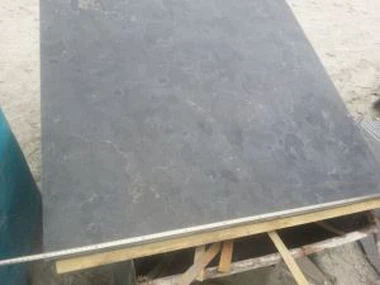
One of the key trends in modern architecture is the use of large-format marble slabs. These slabs reduce the number of seams and joints, creating a more seamless and visually appealing surface. Advances in cutting and processing technology have made it possible to produce these large slabs with greater precision and at a lower cost, making them more accessible for a variety of projects.

Sustainability is also becoming an important consideration in the use of marble in modern architecture. Many quarries and suppliers are adopting environmentally friendly practices, such as reducing waste, recycling water, and minimizing energy consumption. This focus on sustainability is helping to make marble a more attractive option for eco-conscious architects and builders.
In addition to its aesthetic and practical benefits, marble also has a long lifespan, which contributes to its sustainability. Properly maintained marble surfaces can last for decades, reducing the need for replacement and minimizing the environmental impact of building materials.
Overall, marble continues to play a significant role in modern architecture, offering a unique combination of beauty, durability, and versatility. As technological advancements and sustainable practices continue to evolve, the future of marble in architecture looks promising.