The Rising Trend Of Marble in Modern Architectural Design
Aug 16, 2024
In recent years, marble has seen a resurgence in architectural design, with its use expanding beyond traditional applications to become a central element in both residential and commercial projects. This renewed interest in marble reflects a broader trend in architecture towards natural materials that offer both aesthetic beauty and structural reliability. As architects and designers seek to create spaces that are visually striking yet enduring, marble has emerged as a go-to material for achieving these goals.
One of the most notable trends in the current architectural landscape is the use of marble for exterior facades. Architects are increasingly turning to marble to create building exteriors that are not only durable but also visually captivating. The natural veining and color variations of marble allow for a level of customization that is unmatched by other materials, enabling designers to craft unique and memorable facades. This trend is particularly evident in luxury developments, where the use of marble is seen as a symbol of elegance and prestige.
The application of marble in interior design has also evolved, with designers experimenting with new ways to incorporate this timeless material into contemporary spaces. Marble is being used in unexpected places, such as inlaid into furniture, as a material for custom lighting fixtures, and even in art installations. These innovative uses of marble highlight its versatility and ability to adapt to modern design sensibilities while retaining its classic appeal.
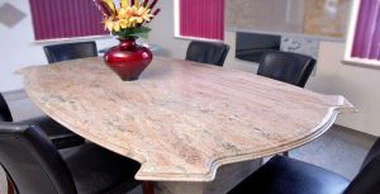
In addition to its aesthetic qualities, marble's physical properties make it a practical choice for modern architecture. Its heat resistance, for example, makes it ideal for use in kitchen countertops and bathroom surfaces, where durability and hygiene are paramount. Furthermore, advances in stone-cutting technology have made it possible to produce thinner, lighter marble slabs, expanding its potential applications in areas where weight and thickness were previously limiting factors.

The sustainability of marble is another factor contributing to its renewed popularity. As environmental concerns become increasingly important in the construction industry, marble's status as a natural, recyclable material has made it an attractive option for eco-conscious architects. Marble quarries are also adopting more sustainable practices, reducing the environmental impact of extraction and processing, which aligns with the growing demand for green building materials.
Recent projects highlight the innovative use of marble in contemporary architecture. For instance, a high-profile residential development in Los Angeles has garnered attention for its extensive use of marble, both inside and out. The building's exterior features a striking marble facade, while the interiors boast marble flooring, countertops, and even accent walls. This project exemplifies the modern approach to marble, where the material is used not just as an accent but as a defining feature of the overall design.
As the trend towards natural materials continues to gain momentum, marble is likely to remain at the forefront of architectural design. Its unique combination of beauty, durability, and sustainability makes it a material that can meet the demands of modern architecture while providing a connection to the timeless traditions of the past. The increasing use of marble in high-profile projects suggests that this trend is not just a passing fad but a lasting movement that will shape the future of architectural design.