Marble's Evolving Role in Modern Architecture And Interior Design
Jul 11, 2024
Marble has long been revered as a symbol of luxury and elegance in both architecture and interior design. Recently, there have been several noteworthy developments and trends in the use of marble that highlight its enduring appeal and evolving applications. Marble's aesthetic qualities, durability, and versatility continue to make it a preferred material for various projects, but emerging technologies and new design philosophies are also shaping its role in contemporary design.
One significant trend is the increased use of marble in sustainable architecture. Designers and architects are increasingly prioritizing eco-friendly materials, and marble, with its natural origin and long lifespan, fits well into this paradigm. Marble quarries are now implementing more sustainable extraction methods, reducing environmental impact, and promoting the use of reclaimed marble in new projects. This shift is not only helping to preserve the environment but also adding a historical and vintage appeal to modern structures.
Another notable development is the integration of marble in minimalist and modern interior designs. Traditionally associated with classical and ornate styles, marble is now being reinterpreted to fit sleek, minimalistic aesthetics. Designers are opting for marble with subtle veining and neutral tones to create a clean, contemporary look. This approach not only highlights marble's versatility but also its ability to complement a wide range of design styles, from modern to traditional.

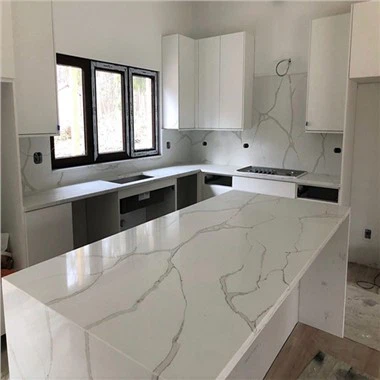
Advancements in technology have also played a crucial role in expanding marble's applications. Innovative cutting and finishing techniques allow for more intricate and precise designs, making marble a feasible option for detailed architectural elements and bespoke furniture. Additionally, new treatments and sealants have enhanced marble's durability and resistance to staining, making it more practical for high-traffic areas and functional surfaces such as kitchen countertops and bathroom vanities.
The use of marble in outdoor spaces is another growing trend. Designers are increasingly incorporating marble into exterior applications such as patios, garden pathways, and outdoor kitchens. Its natural resistance to weathering and its timeless beauty make marble an excellent choice for creating elegant outdoor living areas. This trend is particularly popular in luxury residential projects, where homeowners seek to extend the aesthetic appeal of their interiors to their outdoor environments.
Moreover, the unique and varied patterns of marble are being celebrated more than ever. Each marble slab is unique, and designers are leveraging this individuality to create one-of-a-kind spaces. Bookmatching, where two marble slabs are mirrored to create a symmetrical pattern, is a technique gaining popularity for feature walls and statement pieces. This approach not only showcases the natural beauty of marble but also transforms it into a piece of art within a space.
The global marble market is also reflecting these trends. There is a growing demand for exotic and rare types of marble, such as Calacatta and Carrara, particularly in high-end projects. This demand is driving innovation in sourcing and processing, ensuring that even the most luxurious marbles are available to meet the design needs of today's architects and interior designers.