


How To Evaluate The Quality, Risk Of Disease, And Lifespan Of Marble Slabs?
May 15, 2024
Assessing the quality, risk of disease, and longevity of marble slabs requires comprehensive consideration of many aspects. First of all, the strength and water absorption of marble slabs are important indicators for evaluating their quality. This means that when choosing a marble slab, you should pay attention to whether the ink can be quickly dispersed on its back to judge whether its internal particles are loose, and thus infer its quality. In addition, the appearance quality of marble slabs is also an important evaluation dimension, including appearance defects such as missing edges, missing corners, cracks, stains, color lines, and pits.
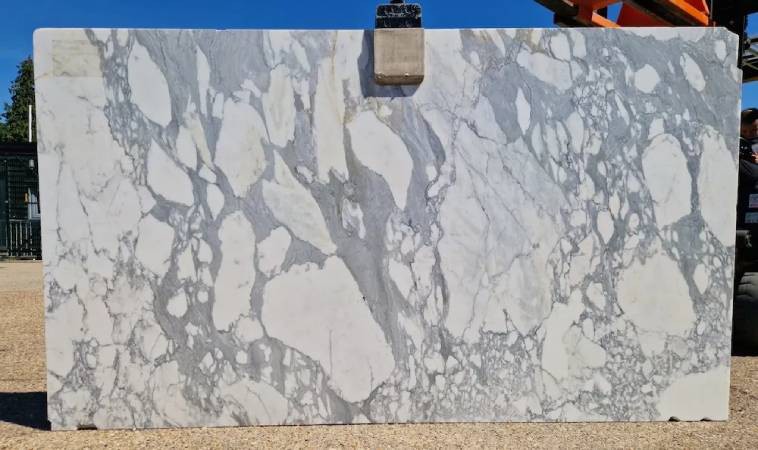
In terms of disease risk, the types of lesions that marble slabs may encounter include chemical lesions (such as rust, and corrosion) and physical lesions (such as frost damage, cracks, and water seepage). These lesions not only affect the aesthetics of the marble slab but may also hurt its durability. Therefore, special attention needs to be paid to preventive and therapeutic measures for the daily maintenance and disease treatment of marble slabs.
As for life assessment, the service life of marble slabs not only depends on its physical and chemical properties but is also affected by the environment in which it is located and the way it is used. For example, as a major indoor carcinogen, the service life of marble may be related to whether it contains the natural radioactive element radium. In addition, marble slabs are of varying quality on the market, thus increasing the need for their testing and evaluation.
Assessing the quality, disease risk and lifespan of marble slabs requires comprehensive consideration from multiple perspectives such as strength, water absorption, appearance quality, disease risk management, and lifespan.


