
How To Differentiate Between Artificial And Natural Marble
Jun 14, 2024
Marble is a timeless and elegant material widely used in architecture and interior design for its beauty and durability. However, there are natural and artificial (or engineered) marble on the market, each with different characteristics. Knowing how to differentiate between the two can help customers make an informed decision and ensure they choose the material that best suits their needs.
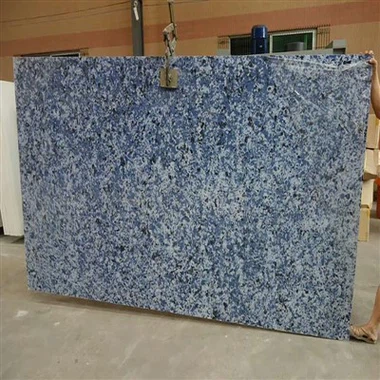
Natural marble is formed over millions of years through the metamorphosis of limestone. This process produces unique vein patterns and color variations, making each marble slab unique. The veins of natural marble are irregular and often more complex, with depth and clarity, giving it a luxurious look.

Artificial marble, on the other hand, is created by mixing marble powder with resins and pigments. This process results in a more uniform color and pattern, making it easier to achieve a consistent look across multiple marble slabs. However, the veins of artificial marble are generally more regular and less complex than those of natural marble.
When it comes to durability and maintenance, natural marble is known for its strength but is also porous and easily stained and corroded by acidic substances. Regular sealing and maintenance are required to keep its surface intact. It also has a higher heat resistance, making it suitable for use on kitchen countertops and other high-heat areas.
Artificial marble is engineered to be more resistant to stains and scratches. The resins used in its production create a non-porous surface that is easier to maintain and less prone to bacterial growth. This makes it an excellent choice for bathrooms and other areas where hygiene is a priority. However, it is less heat resistant than natural marble.
In terms of cost, natural marble is generally more expensive due to the higher costs of quarrying, cutting, and transporting the stone. Its unique appearance and the labor-intensive processes involved in its production contribute to its higher price.
Artificial marble is generally cheaper than natural marble, making it a cost-effective alternative. The manufacturing process allows for better control of production costs, resulting in a more affordable product.
Each type of marble also has a different impact on the environment. The mining and processing of natural marble can have a significant impact on the environment, including habitat destruction and the consumption of a lot of energy. However, natural marble is a sustainable material that can last for generations if properly maintained, reducing the need for frequent replacement.
The production of artificial marble involves the use of resins and other synthetic materials, which can have varying impacts on the environment. However, advances in manufacturing technology have made it possible to produce artificial marble with a smaller carbon footprint. Additionally, the long lifespan and low maintenance requirements of artificial marble contribute to its sustainability.
Natural marble is frequently used in high-end residential and commercial projects due to its unique beauty and luxurious appeal. It is ideal for applications where aesthetics is a primary consideration, such as countertops, flooring, and feature walls.
Cultured marble is highly versatile and can be used in a variety of settings. Its uniform appearance and ease of maintenance make it suitable for large-scale installations in hotels, shopping malls, and office buildings. It is also commonly used in bathrooms, kitchens, and other high-traffic areas.
The choice between natural and cultured marble depends on a variety of factors, including budget, maintenance preferences, and desired aesthetics. Natural marble has unparalleled beauty and uniqueness, making it a highlight in any setting. Cultured marble is a cost-effective, durable, and low-maintenance alternative that can mimic the look of natural marble. By understanding the differences between these two types of marble, customers can make an informed decision that best suits their needs and enhances the overall appeal of their project.