
What is the difference between artificial marble and quartz?
Jan 09, 2024
Artificial Marble vs. Quartz: Unveiling the Differences
Artificial marble and quartz are both popular choices in the realm of engineered stone surfaces, each offering distinct features that cater to diverse preferences and applications.
Composition:
Artificial Marble: Composed primarily of crushed natural marble and resins, artificial marble replicates the look and feel of natural marble. The combination results in a surface that captures the elegance of marble while offering enhanced durability and versatility.
Quartz: Engineered quartz is a composite material made of 90-95% crushed natural quartz crystals, combined with resins and pigments. This composition imparts durability and non-porous qualities to quartz surfaces.
Appearance:
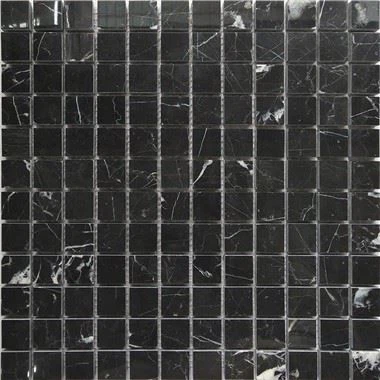
Artificial Marble: Known for its luxurious appearance, artificial marble mirrors the aesthetic charm of natural marble with intricate veining and a polished finish. It provides a timeless and elegant look to spaces.
Quartz: Quartz surfaces offer a broader range of colors and patterns, often featuring a consistent appearance with minimal variation. The designs can mimic the look of natural stone or explore creative and contemporary aesthetics.

Durability:
Artificial Marble: While more durable than natural marble, artificial marble may still be susceptible to scratches and stains. Regular maintenance and care are recommended to preserve its aesthetic appeal.
Quartz: Quartz surfaces are renowned for their exceptional durability. They are resistant to scratches, stains, and impact, making them suitable for high-traffic areas and demanding applications. Quartz requires minimal maintenance and is highly resilient.
Versatility:
Artificial Marble: Ideal for various applications, artificial marble is commonly used for countertops, flooring, and wall claddings. Its versatility allows for creative design choices.
Quartz: Quartz surfaces excel in versatility, finding applications in kitchens, bathrooms, and commercial spaces. Their durability makes them suitable for both horizontal and vertical surfaces.
While artificial marble and quartz share similarities in engineered stone surfaces, their differences in composition, appearance, durability, and versatility make each material unique. The choice between the two depends on individual preferences, desired aesthetics, and the specific requirements of the intended application.