
Understanding the Composition and Beauty of Marble
Jul 29, 2024
Marble is a metamorphic rock that has been valued for centuries for its beauty and versatility in architecture and sculpture. Its composition primarily includes calcite, dolomite, and various other minerals, which give marble its distinctive characteristics and wide range of colors and patterns. Understanding the composition of marble is crucial for appreciating its properties and applications in various industries.
Marble's primary component is calcite, a crystalline form of calcium carbonate (CaCO3). Calcite forms under high pressure and temperature conditions, typically during the metamorphism of limestone. This process recrystallizes the original carbonate mineral grains, creating interlocking calcite crystals that give marble its characteristic smooth texture and appearance. The purity of the calcite influences the color and clarity of the marble, with pure calcite marble being white.
In addition to calcite, marble often contains dolomite (CaMg(CO3)2), which can also form through the metamorphism of dolomitic limestone. The presence of dolomite can impart a slightly different texture and hardness to the marble, as well as influence its color. Dolomitic marble tends to have a slightly higher resistance to acids compared to pure calcite marble.
Other minerals that can be found in marble include quartz, micas, pyrite, and graphite. These minerals are typically present in small amounts but can significantly impact the marble's appearance and properties. For example, the presence of graphite can give marble a grey or black color, while iron oxide impurities can create red, pink, or yellow hues. Quartz can increase the hardness and durability of the marble, making it more suitable for high-traffic areas.

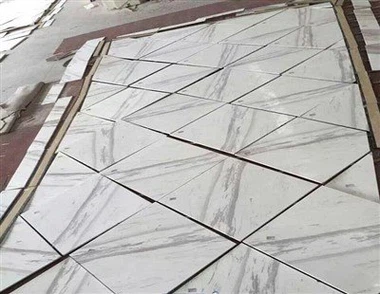
The variety of colors and patterns in marble is primarily due to the presence of these impurities and mineral inclusions. Veining patterns, which are a hallmark of many marble types, are often caused by the presence of minerals like mica or iron oxides that were present in the original limestone before metamorphism. These veins can vary widely in color and intensity, depending on the specific mineral composition and geological history of the marble deposit.
The geological conditions under which marble forms also play a significant role in its final appearance. Factors such as temperature, pressure, and the presence of fluids during metamorphism can influence the size and orientation of the calcite crystals, leading to variations in texture and color. This diversity makes each marble slab unique, adding to its aesthetic appeal.
In addition to its natural beauty, the composition of marble also affects its physical properties and suitability for different applications. For example, the hardness and durability of marble make it an excellent choice for countertops, flooring, and other architectural features. Its ability to be polished to a high shine and its resistance to weathering make it a popular material for both indoor and outdoor use.
Understanding the composition of marble not only enhances our appreciation of its beauty but also informs its use in construction, art, and design. By recognizing the role of calcite, dolomite, and other minerals in its formation, we can better select the right type of marble for specific applications and ensure its longevity and performance in various settings.