The Timeless Appeal of Marble: A Blend of Beauty, History, and Durability
Jul 19, 2024
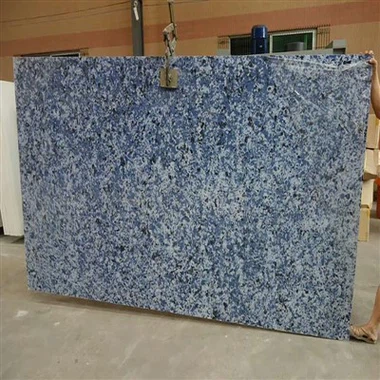
Marble, a metamorphic rock formed from limestone under intense heat and pressure, has been celebrated for its aesthetic appeal and durability for centuries. Its unique characteristics stem from the mineral composition and geological processes that shape its formation. The natural veining and coloration of marble are a direct result of the impurities present during its metamorphosis. This beautiful stone is not only a symbol of elegance but also a versatile material used in a variety of applications.
Historically, marble has played a significant role in architecture and art. Ancient civilizations, including the Greeks and Romans, utilized marble in their grand temples, statues, and public buildings. The enduring beauty and workability of marble made it a preferred choice for sculptors and architects, and this tradition continues today. Its ability to be polished to a high sheen and its range of colors and patterns make it an ideal material for both decorative and functional uses.

In modern construction and interior design, marble is favored for its luxurious appearance and timeless quality. It is commonly used in flooring, countertops, and wall cladding, bringing an air of sophistication and grandeur to spaces. The reflective surface of polished marble enhances natural light, making rooms appear more open and bright. Additionally, the variety of marble types available, from classic white Carrara to exotic colors and patterns, allows for a wide range of design possibilities.
One of the key advantages of marble is its durability. Despite being softer than some other stones, marble is still robust enough for high-traffic areas when properly cared for. Its resistance to heat makes it an excellent choice for kitchen countertops, as it can withstand hot pots and pans. Regular sealing is essential to maintain the marble's appearance and prevent staining, as its porous nature can absorb liquids if not protected.
The environmental impact of marble extraction is another important consideration. Quarrying marble involves significant energy and resources, and the process can alter local landscapes. However, advances in quarrying techniques and increased awareness have led to more sustainable practices within the industry. Many companies now focus on minimizing waste and utilizing technology to improve efficiency and reduce their ecological footprint.
Marble's enduring appeal lies in its blend of natural beauty, historical significance, and practical benefits. As a material that has stood the test of time, it continues to be a top choice for those seeking to add a touch of elegance and sophistication to their projects. Whether used in grand architectural structures or simple home renovations, marble remains a testament to the timeless allure of natural stone.