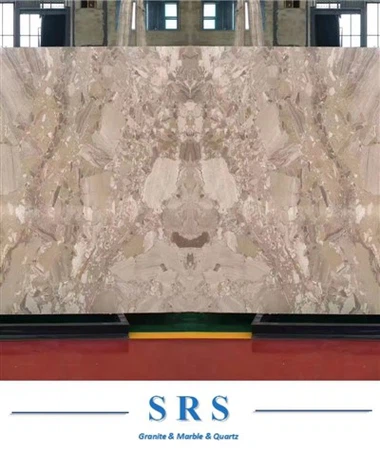

Manufacturing Process of Marble Slabs: Crafting Natural Elegance
Sep 13, 2024
The journey of marble slabs from raw quarry blocks to finished, polished surfaces in homes and commercial buildings is a meticulous process that involves a blend of traditional craftsmanship and modern technology. Each stage of marble slab manufacturing is designed to enhance the natural characteristics of the stone while ensuring durability and precision. Understanding the intricacies of this process is crucial for anyone involved in the marble industry, as it provides insight into how this luxurious material is prepared for installation.
Marble slab manufacturing begins with the extraction of massive blocks of marble from quarries. This stage, known as quarrying, involves cutting large sections of marble from the earth using wire saws, diamond blades, or water jet machines. These advanced tools ensure clean cuts while minimizing waste and damage to the marble blocks. Once extracted, the blocks are transported to processing facilities, where they are cut down into more manageable sizes, typically using gang saws that can cut multiple slabs at once. The precision of this process is critical, as it helps to reduce material loss and ensures that each slab maintains its structural integrity.
Once the marble is cut into slabs, the next phase of the manufacturing process involves surface finishing. This step includes polishing, honing, or brushing the surface of the marble to achieve the desired aesthetic effect. Polishing is the most common finish for marble slabs, as it brings out the stone's natural shine and enhances its color and veining. Honing, on the other hand, results in a matte finish, which may be preferred for more understated or rustic designs. In both cases, the marble undergoes a series of abrasive treatments using diamond pads to refine the surface and remove any imperfections.

During the finishing process, the marble is also treated with sealants to protect it from moisture and stains, a crucial step given the porous nature of the stone. Additional treatments such as resin fills or mesh backing are sometimes applied to reinforce the marble and enhance its durability, especially for thinner slabs. These reinforcements help to prevent cracking or chipping during installation and use.
The final step in the marble slab manufacturing process is quality inspection and packaging. Each slab is carefully inspected for defects, including cracks, color inconsistencies, or unwanted impurities. After passing inspection, the slabs are carefully packaged to prevent damage during transportation, ensuring they arrive at their destination ready for installation. This attention to detail at every stage of the manufacturing process helps to preserve the beauty and functionality of marble slabs, making them a timeless choice for various architectural applications.